Baroness Twycross Highlights Coordinated Push Against Unlicensed Gambling Promotions

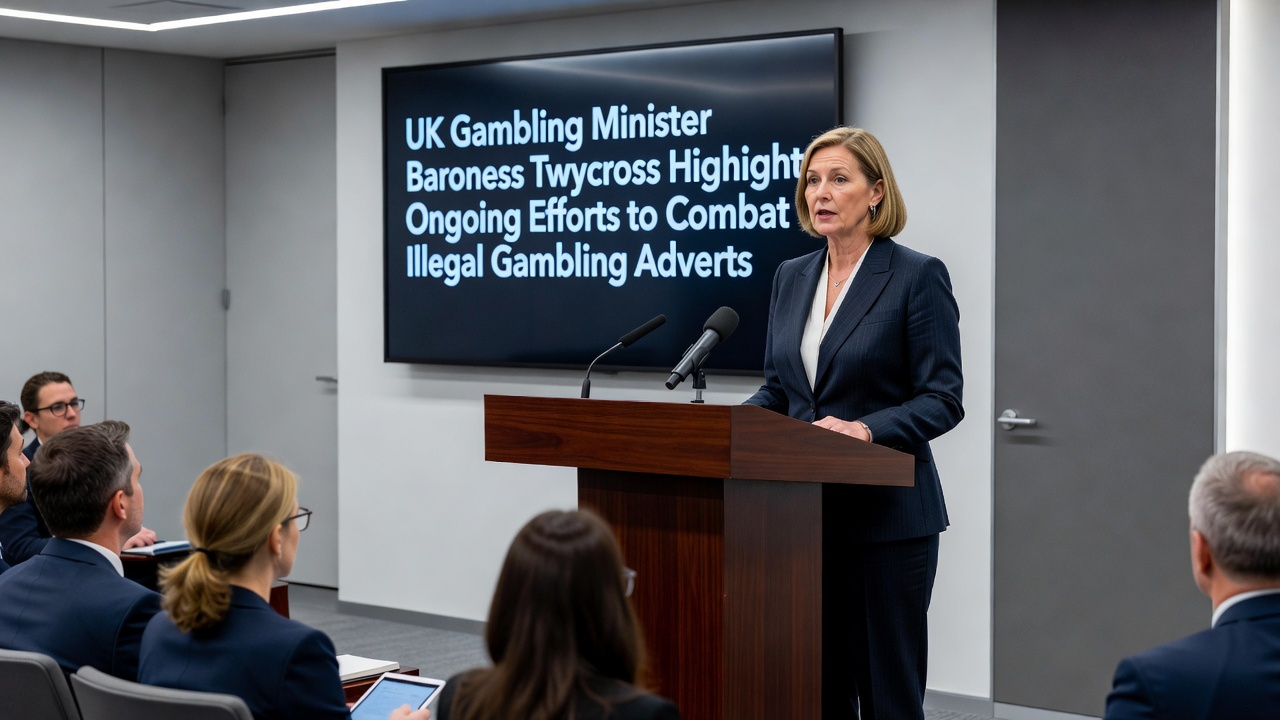
Baroness Twycross, the UK gambling minister, recently drew attention to sustained work aimed at curbing illegal gambling advertising that reaches British audiences through social media and other digital channels, and she stressed the need for continued cooperation between government, industry participants, and technology platforms to shield consumers, with particular emphasis on children and vulnerable adults who face targeting from unlicensed operators.
Those statements form part of an ongoing regulatory emphasis on enforcement measures that address black-market promotions, and observers note how such efforts seek to limit exposure for users who might otherwise encounter offers from operators operating outside established legal frameworks.
Minister Emphasizes Multi-Stakeholder Collaboration
During her remarks Baroness Twycross pointed to active dialogue with both gambling businesses and major online platforms, while she explained that coordinated action helps identify and remove promotions that fall outside permitted boundaries, and this approach builds on existing relationships that allow quicker responses when unlicensed content appears in user feeds or search results.
Industry representatives have participated in these conversations for some time, and their input assists regulators in understanding how advertising systems function across different services, whereas technology companies contribute technical capabilities that support detection of prohibited material before it gains wide distribution.
Protecting Children and Vulnerable Groups Remains Central
Concerns about exposure among younger users and those at higher risk of gambling-related harm received particular mention, and the minister noted that unlicensed operators often employ sophisticated targeting methods that reach these populations despite existing safeguards, yet collaborative tools now under development aim to strengthen barriers around such content.
Data from various monitoring exercises indicate that illegal promotions continue to surface on popular platforms, and efforts to reduce their visibility involve both automated detection systems and manual review processes that operate in tandem, while additional training for platform staff helps maintain consistent application of removal policies.
Enforcement Focus Expands Across Digital Channels
Black-market promotions appear across social media, search engines, and affiliate networks, and the regulatory approach described by Baroness Twycross seeks to address each channel through tailored strategies that account for how content spreads differently on each service, and this breadth reflects recognition that single-platform solutions fall short when operators shift activity rapidly between sites.
According to information shared during the update, authorities continue to track patterns of illegal advertising and respond with takedown requests that have produced measurable reductions in certain categories of prohibited material, yet the dynamic nature of online promotion requires ongoing adaptation of these tactics.
International comparisons appear in related discussions, and reports from the European Gaming and Betting Association describe similar challenges faced by regulators across the continent when addressing cross-border advertising that reaches domestic audiences, while those findings inform UK approaches that incorporate lessons from neighboring jurisdictions.
Broader Regulatory Context and Platform Responsibilities
Platform accountability formed another theme in the minister's comments, and Baroness Twycross outlined expectations that technology companies maintain robust systems for identifying gambling content that violates local rules, and these expectations align with wider policy directions that place greater onus on intermediaries to prevent harmful material from circulating unchecked.
Technical solutions under consideration include improved age-verification mechanisms and enhanced content-labeling standards that allow platforms to apply restrictions more precisely, while industry feedback helps refine these tools so they integrate smoothly with existing advertising ecosystems without disrupting legitimate promotional activity.
Research institutions have contributed studies on advertising exposure patterns, and one analysis published through the National Center for Responsible Gaming examined how digital targeting influences different demographic groups, and those insights support the development of more effective protective measures that respond to actual user behavior rather than assumptions.
Conclusion
Baroness Twycross's recent statements underscore a sustained commitment to reducing the reach of illegal gambling advertising through partnerships that span government, industry, and technology sectors, and the focus on protecting children alongside vulnerable adults reflects priorities that guide current enforcement planning, while the emphasis on multi-channel strategies addresses the varied ways unlicensed operators attempt to connect with UK users. Continued collaboration is expected to yield further refinements in detection and removal processes as regulatory teams monitor developments across digital environments.