Biometric Authentication Reshapes Access Controls for Mobile Casino Games and Sports Wagering Apps
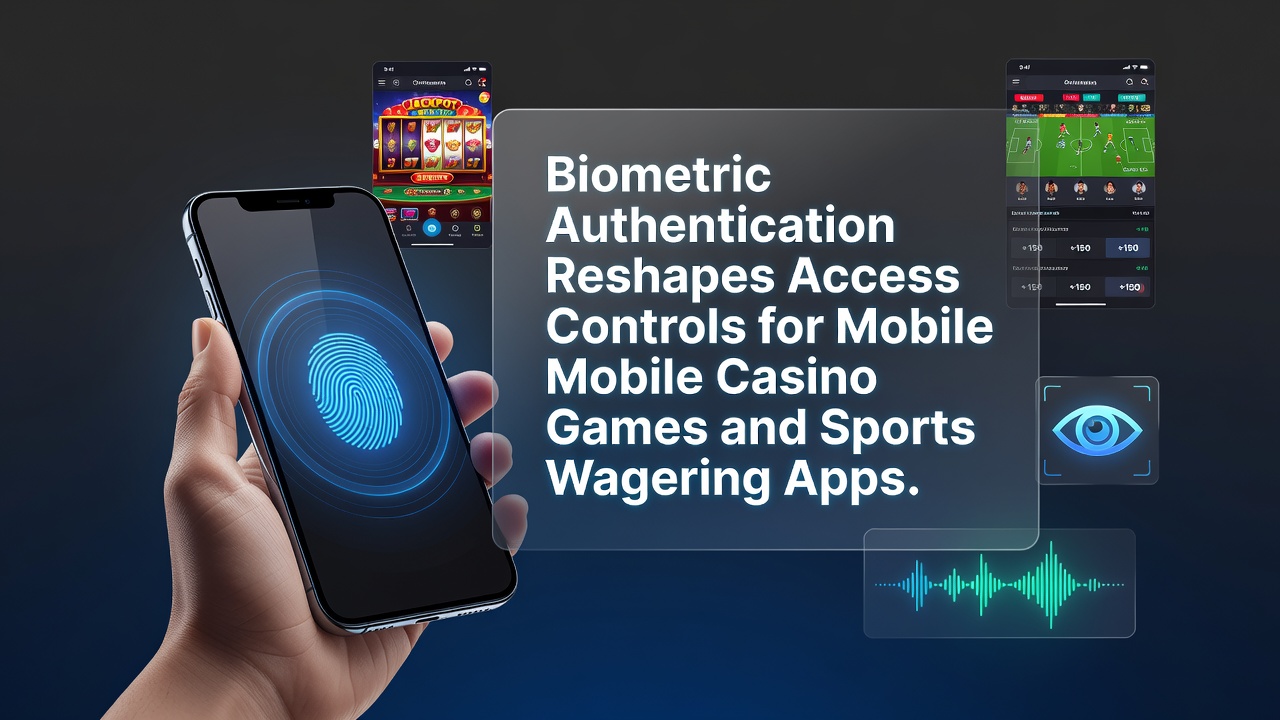
Biometric authentication has moved from niche security feature to standard access method across mobile casino games and sports wagering platforms, where fingerprint scans, facial recognition, and voice patterns replace traditional passwords and PINs for many users. Developers integrate these systems directly into app interfaces so players verify identity in seconds while operators meet stricter security benchmarks that regulators worldwide continue to tighten.
Core Technologies Driving the Shift
Modern mobile devices already contain the hardware needed for reliable biometric checks, and app builders layer additional software protocols on top to handle verification without storing raw biometric data on company servers. Instead systems convert scans into encrypted templates that match against stored versions during each login attempt, which reduces breach risks if a database ever gets compromised. Data from industry reports shows adoption rates climbing steadily since 2023 as both iOS and Android platforms refined their biometric APIs for third-party developers.
Take the example of one major platform that rolled out mandatory facial recognition for high-value transactions in early 2025. Transaction volumes remained stable while account takeover attempts dropped noticeably according to internal metrics shared with security analysts. Similar patterns appear in other deployments where multi-factor setups combine biometrics with device-level signals such as location and usage patterns.
Security Improvements and Regulatory Timelines
Access controls tightened further when several jurisdictions announced compliance deadlines clustered around July 2026 for systems handling player funds and identity verification. Operators must demonstrate that login methods resist common attack vectors including spoofing and replay attempts, which pushes more platforms toward biometrics because these methods tie verification to physical traits that are harder to replicate remotely. Industry organizations such as the American Gaming Association have published guidance documents outlining best practices for implementing these controls without disrupting user flow.
Observers note that platforms using biometrics report fewer support tickets related to forgotten credentials and account lockouts, freeing resources for other compliance tasks. Yet integration requires careful calibration because lighting conditions, camera quality, and user movement can affect success rates during facial scans, prompting some developers to maintain fallback options like one-time codes sent via SMS.
Impact on User Experience and Platform Performance
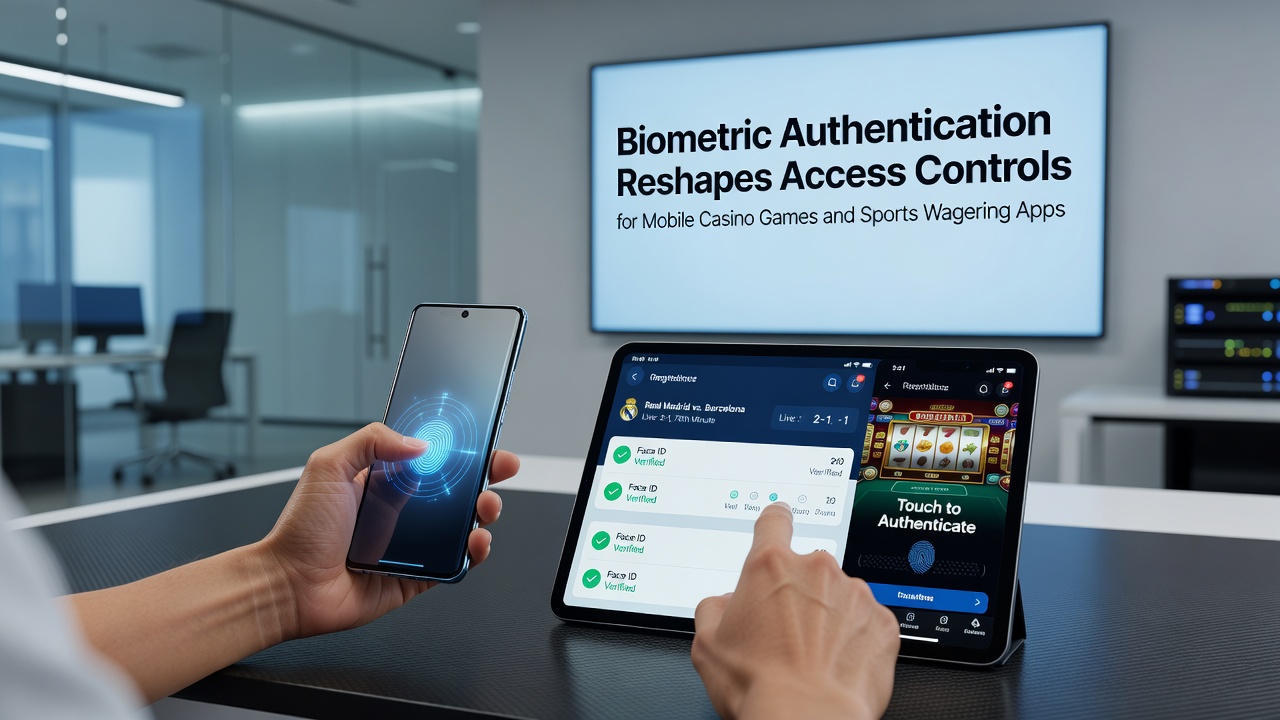
Players often complete the login sequence faster with biometrics than with typed passwords, which matters during live sports events when timing affects bet placement. Research from academic sources including studies conducted at the University of Nevada indicates that reduced friction correlates with higher session completion rates, although the same work cautions that over-reliance on a single biometric method can create accessibility issues for users with certain physical conditions or older devices. Many apps now offer choice among fingerprint, face, or voice options to accommodate different preferences.
Payment flows also benefit because some operators link biometric confirmation directly to withdrawal approvals, shortening the time between request and processing. Figures released by payment processors active in the gaming sector reveal that platforms with these integrated checks see lower chargeback rates tied to unauthorized transactions compared with password-only systems.
Challenges in Global Deployment
Differences in data protection rules across regions complicate rollout because some jurisdictions require explicit consent for biometric collection while others impose storage limitations or mandate on-device processing only. Developers therefore maintain region-specific configurations that activate different verification flows depending on the user's location at signup. The European Gaming and Betting Association has highlighted these variations in its technical briefings, noting that cross-border operators invest significant resources in maintaining compliance across multiple frameworks simultaneously.
Technical limitations still surface during high-traffic periods when server-side matching queues can introduce small delays, though edge computing solutions increasingly shift processing to the device itself to mitigate this. Security researchers continue testing spoofing techniques such as high-resolution masks or deepfake videos, which keeps pressure on vendors to update liveness detection algorithms regularly.
Future Trajectory Through 2026 and Beyond
Hardware improvements in under-display fingerprint sensors and infrared facial mapping promise higher accuracy rates even in challenging environments, and software updates will likely incorporate behavioral biometrics such as swipe patterns or grip pressure as secondary signals. Platforms that align their systems with the July 2026 compliance windows position themselves to avoid operational disruptions when new verification standards take effect. Those who have studied deployment data across multiple markets find that hybrid models combining biometrics with contextual risk scoring deliver the strongest balance between security and convenience.
Conclusion
Biometric authentication continues to redefine how mobile casino and sports wagering apps manage access because the technology aligns with both user expectations for speed and regulatory demands for stronger identity assurance. As hardware capabilities expand and standards converge around the 2026 timeline, platforms that adapt their controls accordingly maintain competitive positioning while meeting evolving security requirements across different markets.