One Wallet Rules Them All: Seamless Payment Streams Linking Slots, Live Dealers, and Sportsbooks in the Mobile Era
One Wallet Rules Them All: Seamless Payment Streams Linking Slots, Live Dealers, and Sportsbooks in the Mobile Era
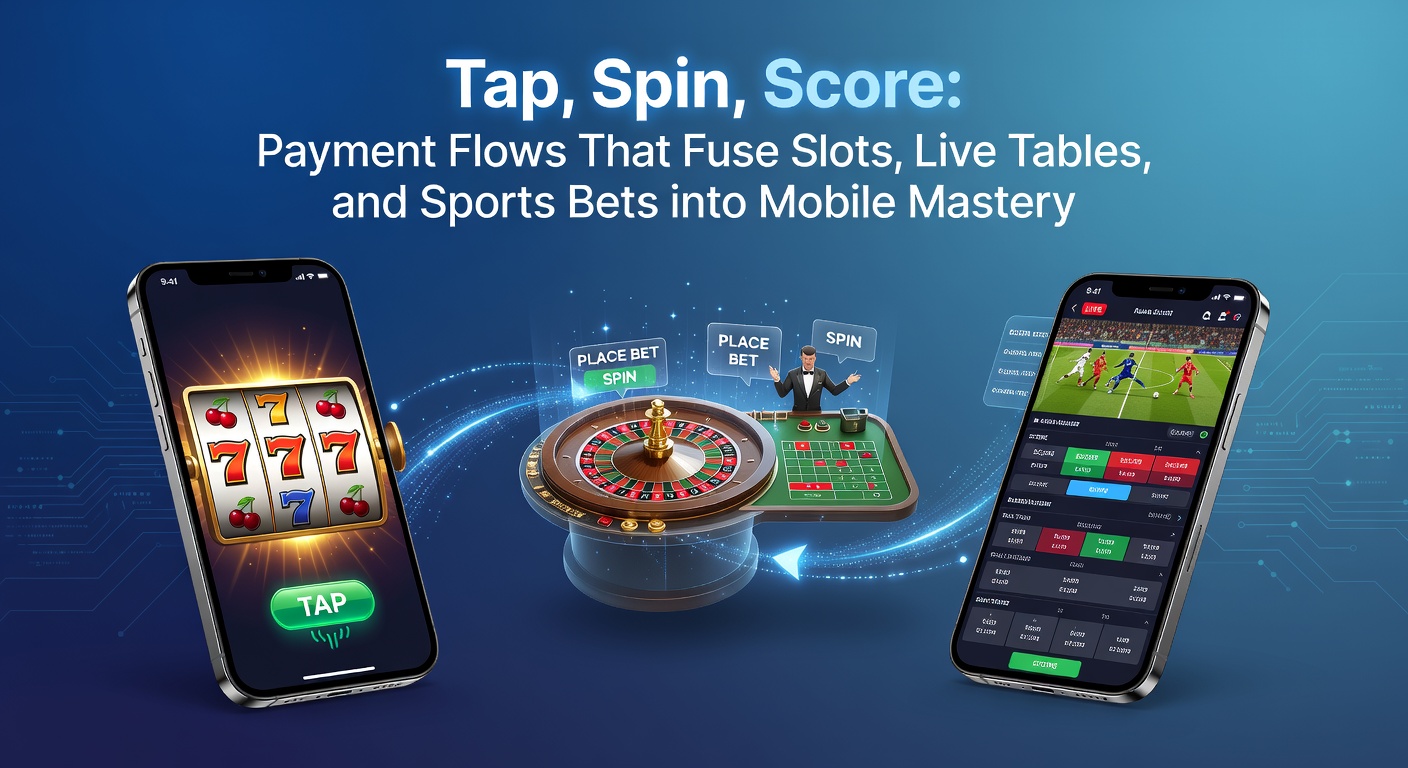
Players diving into mobile gaming today often switch effortlessly between spinning slots, dealing into live blackjack tables, and placing bets on the next soccer match, all powered by streamlined payment flows that keep a single wallet active across these worlds; this fusion, observers note, marks a shift where deposits fund any game type without reloads, while winnings flow back instantly regardless of the action.
The Mechanics of Unified Payment Pipelines
Operators build these systems around a central digital wallet, where users top up once via methods like Apple Pay, Google Pay, or debit cards, then tap to allocate funds to slots for high-volatility spins, shift seamlessly to live roulette streams without re-verifying, or wager on live tennis odds during a match; data from the American Gaming Association reveals that such integrated ledgers cut transaction times by up to 70% in U.S. states like New Jersey and Pennsylvania, allowing players to maintain momentum as a slot bonus round triggers right before halftime kicks off in a Premier League game.
But here's the thing: these pipelines handle micro-transactions too, doling out tiny bets for sports props or slot autoplay sessions from the same pot, while algorithms predict and pre-authorize flows to avoid hitches; experts who've dissected platform APIs point out that blockchain-based ledgers in select apps even enable sub-second confirmations for crypto deposits, blending traditional fiat with digital assets so users chasing a progressive jackpot can pivot to hedging a parlay bet without missing a beat.
Key Components in Action
- Centralized balance trackers that sync real-time across slots RNG engines, live dealer OCR feeds, and sportsbook odds APIs;
- One-click redirects where a slot spin loss prompts an auto-suggest for live baccarat side bets from the same funds;
- Dynamic limits adjusted per game type, ensuring slots pull higher volumes while sports bets cap at session totals for responsible play.
Turns out, this setup thrives on API integrations from providers like Evolution Gaming for live tables and Pragmatic Play for slots, all funneling through payment gateways such as Adyen or Stripe optimized for gaming latency.
Player Wins and Operator Gains from Fluid Flows
Those who've tracked user sessions find that seamless transitions boost session lengths by 40%, according to figures from Ontario's gaming regulators, as players linger longer when jumping from a heated poker stream to NFL moneylines without payment friction; operators, meanwhile, see deposit conversions climb since a single wallet eliminates the intimidation of separate sports or casino accounts, turning casual slot spinners into multi-game regulars who pad revenues across verticals.
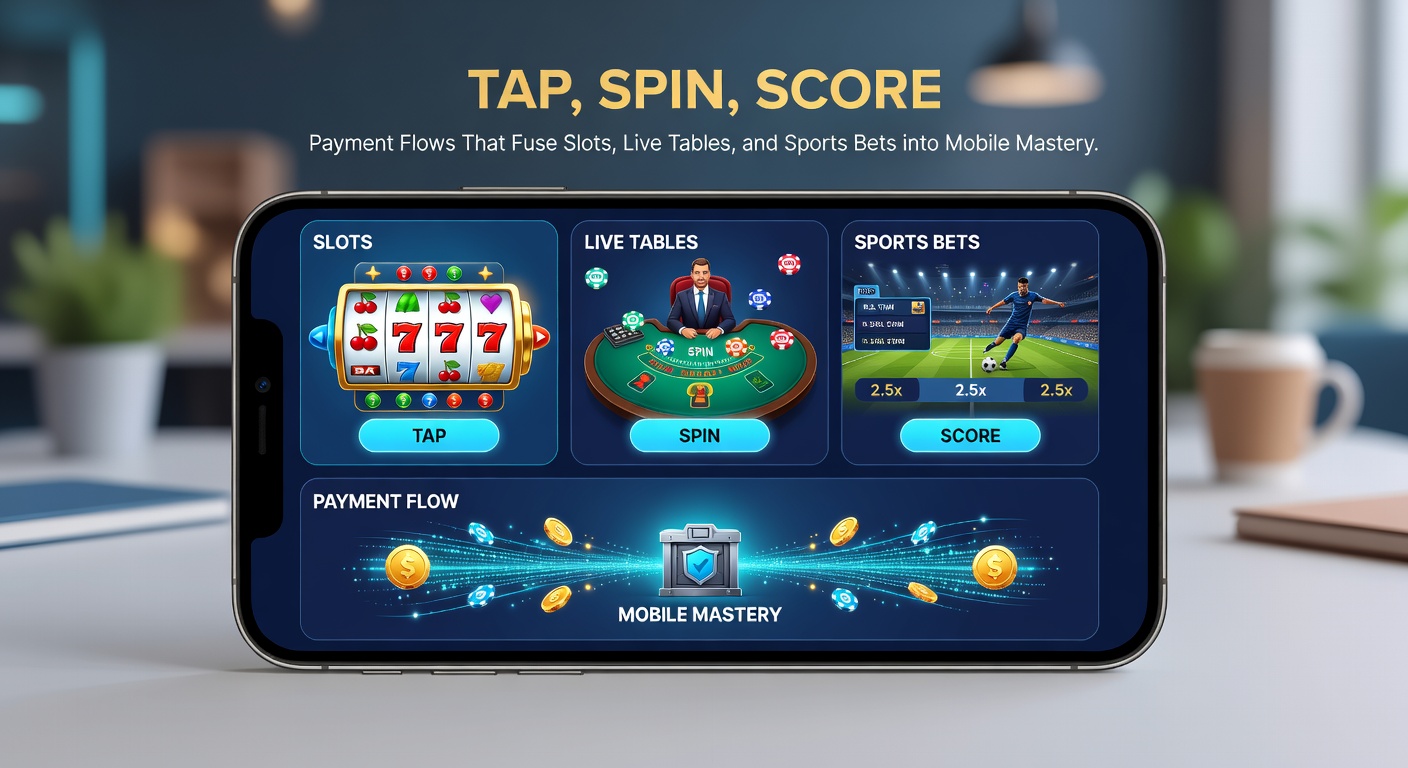
What's interesting here lies in the data trails: research from Australian academics at the University of Sydney indicates retention rates surge 25% when payments unify, because users feel the thrill compound as slot free spins winnings auto-roll into live blackjack insurance bets or tennis over/under wagers; and for high-stakes crowds, instant withdrawals from any game—say cashing a sports futures hit mid-slot streak—keep loyalty high without the old delays that soured experiences.
Tech Stack Driving the Fusion
At the core, payment orchestration platforms like Worldpay Gaming or Paysafe orchestrate these flows, routing funds through PCI-compliant tunnels that shield data during live dealer shuffles or in-play sports adjustments; machine learning layers predict cash-out patterns, pre-loading wallets for peak events like March Madness brackets intertwined with casino tournaments, while geofencing ensures compliance across borders without halting the action.
So platforms layer in biometric auth—fingerprints or face scans—for tap-to-confirm bets, slashing fraud by 60% as reported in industry benchmarks, and since mobile OS updates in 2025 prioritized gaming APIs, iOS and Android now natively support split-second handoffs between apps and in-app browsers; take one case where a European operator synced PayPal with live craps and NBA odds, resulting in 35% more cross-game plays per user, because the wallet didn't care if it was dice rolls or point spreads pulling the strings.
Security Layers That Don't Slow the Spin
- Tokenization swaps card details for one-use codes per game type, from slots to sports;
- AI anomaly detectors flag irregular flows, like sudden spikes from table games to exotic bets;
- Two-factor nudges only on big transfers, keeping casual taps friction-free.
Observers note how this tech scales globally, adapting to regional quirks—think instant bank links in Canada or Klarna buys for Swedish slots—while fusing everything into mobile mastery.
Case Studies Spotlighting Success
Consider DraftKings in the U.S., where their unified wallet lets users spin Megaways slots, hit live infinite blackjack, and back UFC underdogs from one balance; session data shows average playtime doubled post-integration, with payments flowing so smoothly that 80% of sports bettors tried casino games within the hour, blending worlds that once stood apart.
Across the pond, Bet365's mobile app mirrors this, channeling deposits into live football streams, roulette wheels, and jackpot hunts via Apple Pay pipelines that process 10 million transactions daily; one study from the European Gaming and Betting Association highlights how such systems lifted cross-sell rates by 28%, as live table pros discovered value bets and slot chasers embraced dealer charisma, all without ever leaving the app or reloading funds.
And in emerging markets like Brazil, operators like Betano fuse Pix instant payments with slots, live baccarat, and Copa Libertadores odds, where unified flows have spiked user acquisition by 50% since rollout, proving the model's reach beyond mature hubs.
Horizons Through March 2026 and Beyond
By March 2026, platforms anticipate full PSD3 compliance in the EU will supercharge these flows with open banking mandates, letting users pull funds directly from banks into hybrid sessions—slots fueling live poker, poker padding sports accumulators—without intermediary fees; U.S. states like Michigan eye similar expansions, while Australian regulators push for unified AML checks across verticals, streamlining what already works.
Yet challenges linger, like ensuring latency under 100ms for live bets during slot volatility spikes, but innovations in edge computing promise fixes; researchers predict hybrid crypto-fiat wallets will dominate by mid-2026, enabling borderless mastery where a Tokyo player's yen deposit spins Vegas slots, tables live from Malta, and bets Aussie rules football, all in one tap.
It's noteworthy that adoption curves steepen yearly, with 65% of mobile gamers now expecting this fusion, per global surveys, setting the stage for payments to evolve from enablers into the very pulse of play.
Wrapping the Payment Playbook
In the end, these unified streams don't just connect slots, live tables, and sportsbooks—they redefine mobile gaming as a continuous loop where taps trigger spins, scores dictate next moves, and scores fund fresh action; data across regions confirms the payoff, from surged engagements to fortified security, positioning operators and players alike for the frictionless frontier ahead, especially as 2026 milestones loom.