Review-Driven Refinements: Tracing How User Input Shapes Betting Application Features
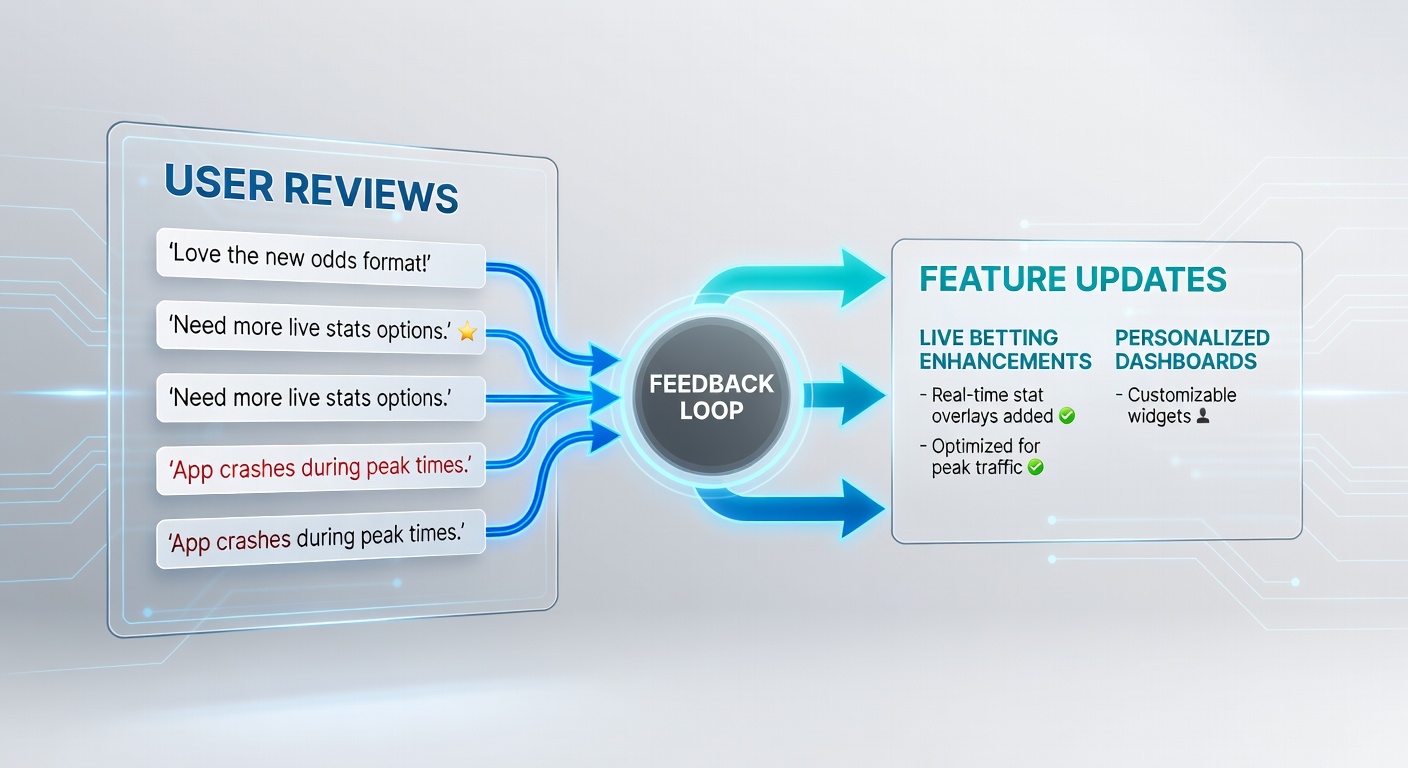
Betting applications collect user reviews through app stores and in-app prompts, then process those comments to identify recurring requests for specific tools such as enhanced live odds displays or streamlined deposit flows. Data analysts at development teams sort thousands of entries each month, grouping phrases that mention interface speed, payment reliability, and customization options before developers schedule code changes that address the most frequent patterns.
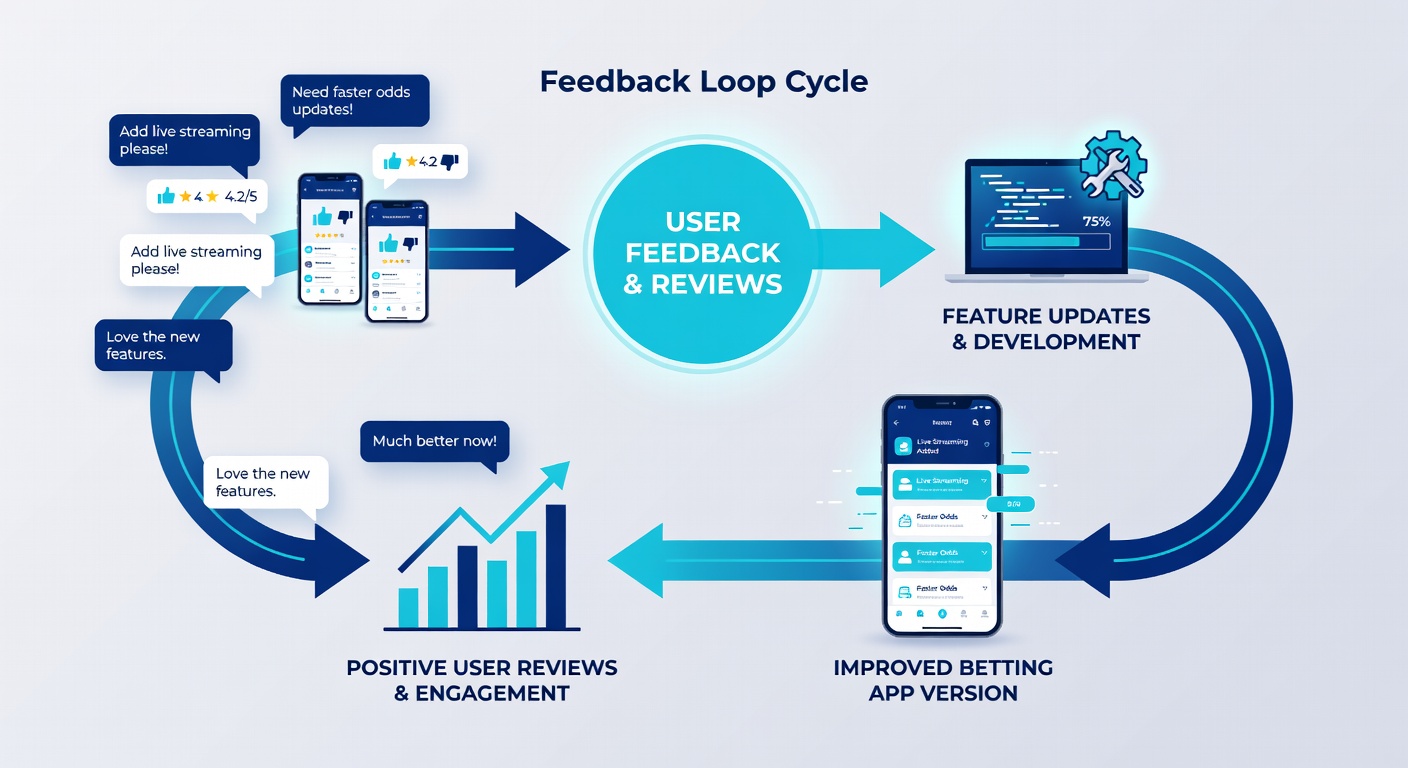
Studies from industry research groups show this cycle repeats every few weeks, with each release generating fresh reviews that either confirm improvements or highlight new friction points. Observers note that teams track metrics like review volume spikes following an update, using those numbers to measure whether the changes reduced complaints about the targeted area.
Data Collection and Initial Analysis
Platforms gather text from public ratings alongside anonymous in-app surveys that ask targeted questions about recent sessions. Automated systems apply natural language processing to flag keywords such as "crash during withdrawal" or "missing bet history filter," while human moderators review edge cases that algorithms miss. Reports compiled in early 2026 indicated that larger operators processed over 40,000 review segments monthly across major markets, with sentiment scores updated daily to spot emerging issues before they spread.
Teams then map these signals against internal usage logs, cross-referencing which features users actually accessed after complaining about them. This step prevents developers from overhauling sections that receive negative mentions yet see high engagement, ensuring resources focus on genuine pain points rather than isolated frustrations.
Prioritization and Development Cycles
Product managers rank requested changes using a weighted system that factors review frequency, severity ratings, and potential impact on retention figures. A request for one-tap cash-out buttons might rise to the top if thousands of reviews cite timing problems during live events, whereas cosmetic color adjustments often stay lower on the list. Development sprints typically last two to four weeks, after which the updated build moves to beta testing groups drawn from active users who previously left detailed feedback.
What's interesting here is how some operators publish public roadmaps that list top-voted items from recent reviews, allowing the community to watch progress and submit additional comments that refine the scope. This transparency tends to generate more constructive input on subsequent releases because users see their earlier notes reflected in the planning documents.
Post-Update Review Monitoring
Once a feature launches, analysts compare review sentiment from the prior period against the new data set, measuring shifts in language around that specific function. A drop in mentions of lag during bet placement, for instance, signals success, while an uptick in related complaints about accuracy can trigger immediate hotfixes. According to findings released by the Responsible Gambling Council in Canada, operators that closed this monitoring loop within 14 days recorded steadier month-over-month retention compared with those that delayed analysis.
External links appear in some review threads where users reference regulatory updates or third-party audits, and developers sometimes incorporate those external data points when adjusting compliance-related features. One such source is a quarterly summary from the Nevada Gaming Control Board that tracks complaint categories across licensed platforms, providing broader context for localized review trends.
Regional Variations in Feedback Patterns
Users in different jurisdictions emphasize distinct priorities, with Australian players frequently commenting on responsible gambling tool visibility while North American reviewers focus more on payment processor variety. Teams adjust weighting algorithms accordingly, so a feature that ranks high in one market may receive lower priority elsewhere. Data shared by the Australian Communications and Media Authority in late 2025 illustrated how localized review clusters influenced separate app versions for each region rather than a single global build.
Multi-language support also evolves through this process, since reviews submitted in non-English languages sometimes reveal translation issues that affect comprehension of rules or bonus terms. Developers route those findings to localization specialists who refine wording before the next update cycle begins.
Long-Term Effects on Application Architecture
Over multiple iterations, accumulated feedback can prompt structural changes such as modular codebases that allow faster swaps of individual components without full redeploys. This architecture supports quicker responses to recurring requests, shortening the time between identifying a problem in reviews and delivering a fix. Observers have documented cases where operators reduced average update turnaround from six weeks to under three after adopting more flexible backend designs informed by repeated user input.
Those who've studied this process note that sustained loops also influence hiring, with companies adding dedicated community analysts who bridge the gap between raw review data and engineering roadmaps. Their role involves translating colloquial complaints into technical specifications that developers can action directly.
Conclusion
The ongoing exchange between user reviews and feature updates creates measurable adjustments in betting applications, with each stage feeding information into the next. Monitoring continues across markets as teams refine methods for extracting actionable signals from growing volumes of text and usage data. This pattern persists into 2026 and beyond, shaped by the volume and specificity of input that users provide after every release.