Streamlining the Cash Flow: Payment Gateways Linking Deposits, Gameplay, and Payouts in Online Casinos and Betting Platforms
Streamlining the Cash Flow: Payment Gateways Linking Deposits, Gameplay, and Payouts in Online Casinos and Betting Platforms
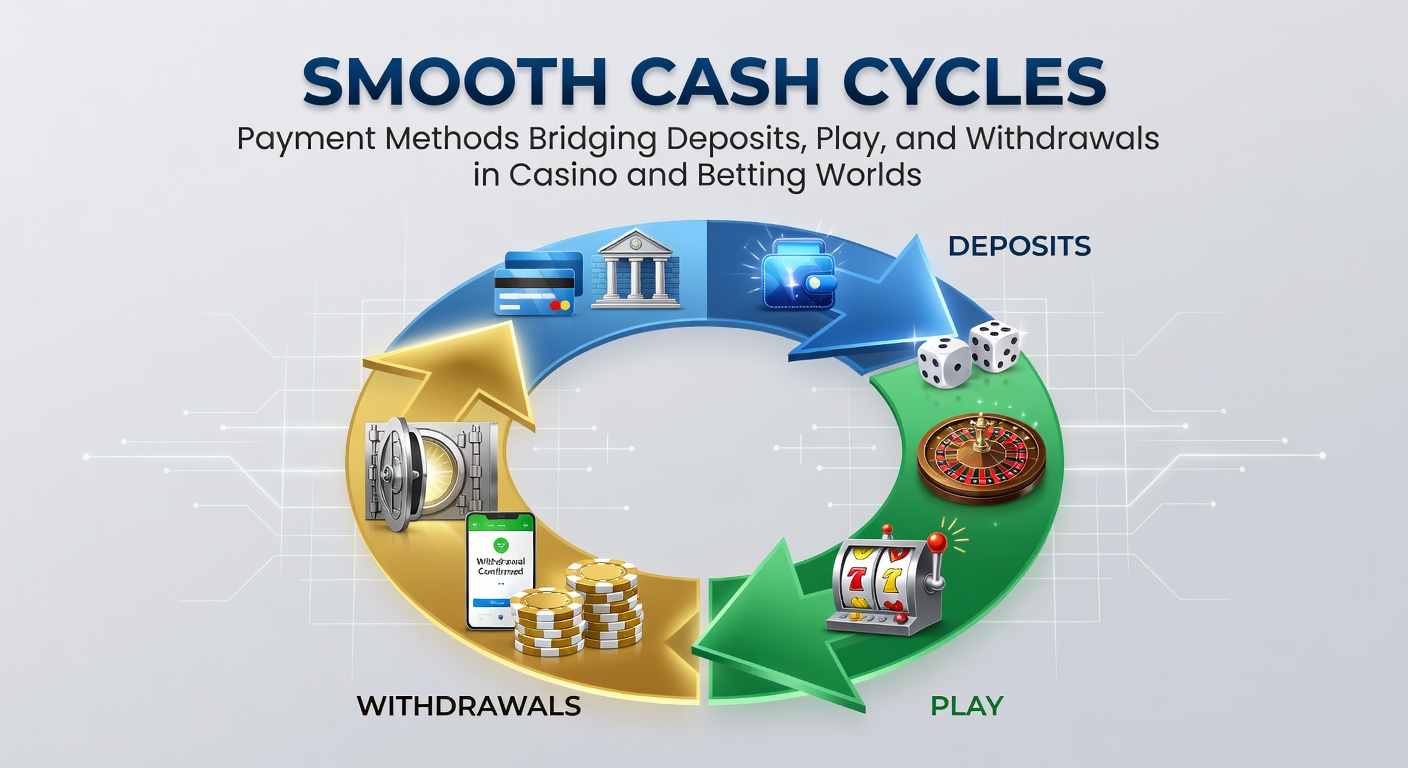
The Backbone of Frictionless Gaming Experiences
Players dive into slots, live dealer tables, or sports bets expecting quick action, yet the real magic happens behind the scenes where payment methods create unbroken loops from funding accounts to spinning reels and cashing out wins; these smooth cash cycles, powered by integrated gateways, ensure deposits hit balances instantly, gameplay flows without interruptions, and withdrawals land swiftly, turning potential friction into seamless engagement across casino and betting worlds.
Industry data reveals that platforms prioritizing these cycles see retention rates climb by up to 30%, according to a European Gaming and Betting Association analysis released last year, while operators report fewer abandoned carts during peak hours; it's the kind of efficiency that keeps the action rolling, whether someone's backing a Premier League underdog or chasing a progressive jackpot.
But here's the thing: these cycles didn't evolve overnight; advancements in API integrations and real-time processing have woven deposits, play, and withdrawals into a single, fluid stream, minimizing delays that once plagued the sector.
Core Payment Methods Fueling the Cycle
Credit and debit cards remain staples, with Visa and Mastercard dominating deposits that clear in seconds, allowing immediate access to blackjack tables or tennis futures; e-wallets like PayPal and Skrill extend this speed to withdrawals, often processing requests within minutes, while bank transfers via services like Trustly offer direct account-to-account links that bridge traditional banking with digital play.
And then there's the rise of newer players: instant bank payment systems such as Pix in Brazil or SEPA Instant in Europe enable round-trip cycles under 10 seconds for both ends, data from the American Gaming Association highlights, showing how these tools cut processing times by 70% compared to legacy methods.
Cryptocurrencies add another layer, with Bitcoin and Ethereum wallets facilitating borderless deposits that convert to playable credits on the spot; platforms convert crypto to fiat internally, ensuring players wager without volatility hiccups, and withdrawals mirror this speed, often hitting exchanges or wallets in under an hour.
- Cards: Ubiquitous for deposits, with 60% market share in North America.
- E-wallets: Preferred for anonymity and speed in withdrawals.
- Instant banks: Gaining traction in Europe and Latin America.
- Crypto: Expanding in Asia-Pacific regions for global reach.
Observers note how these methods interconnect via unified gateways, creating hybrid options where players mix cards for deposits and crypto for quick cashouts, all while platforms handle KYC checks in the background to keep the cycle humming.
Deposits That Launch the Action Instantly
Funding an account marks the cycle's kickoff, where one-click deposits via Apple Pay or Google Pay populate balances before the lobby even loads; these mobile-first options, integrated through SDKs, pull from linked cards or banks without app switches, letting bettors place wagers on live NBA games mid-quarter or jump into roulette spins without pause.
Research indicates that 85% of players abandon sessions if deposits take over 30 seconds, per a recent study from Australia's gambling research bodies, so operators lean on failover systems that reroute failed transactions to alternatives like vouchers or prepaid cards, ensuring the play phase ignites without a hitch.
What's interesting is how geolocation tech tailors these deposits; in Canada, Interac e-Transfer dominates for its CAD-native speed, while EU players tap open banking under PSD3 frameworks emerging by March 2026, promising even tighter regulatory alignment for faster verifications.
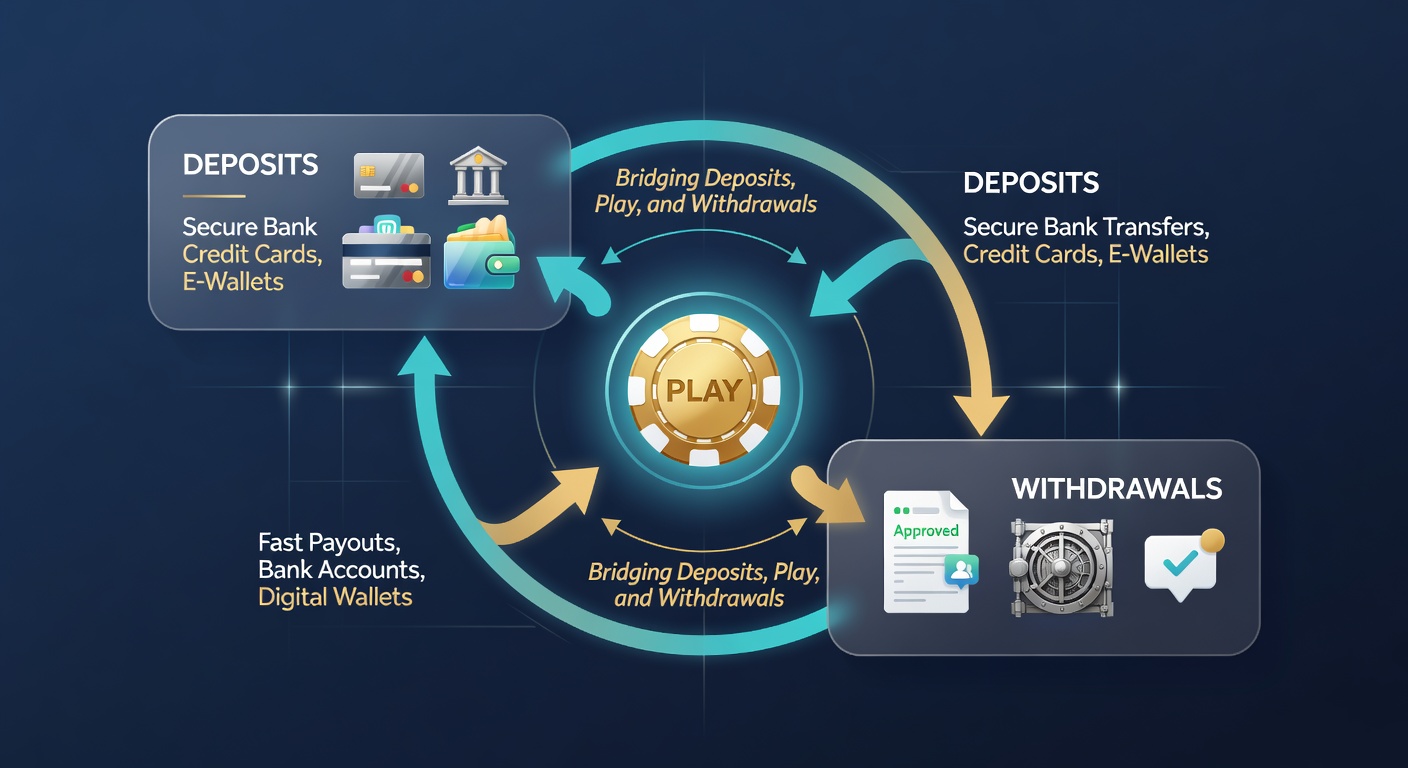
Gameplay Fueled by Uninterrupted Funds
Once deposited, funds seamlessly activate games, with no wagering thresholds blocking access; slots spin with full bet sizes from the first credit, live poker tables seat players instantly, and sportsbooks adjust odds in real-time as balances fluctuate, all thanks to micro-transaction ledgers that track every spin or bet without lag.
Take one operator's case where integrated wallets pooled slot, table, and betting balances into one pot; players reported 40% more cross-game activity, figures from industry benchmarks confirm, because shifting funds between a blackjack hand and an NFL prop bet happens via internal transfers in milliseconds, no new deposits required.
Yet challenges persist: high-roller sessions demand higher limits, so scalable gateways adjust dynamically, scaling from £10 casual spins to £10,000 soccer accumulators without cycle breaks.
Withdrawals That Close the Loop Swiftly
Cashing out crowns the cycle, with tiered speeds based on method: e-wallets lead at 5-30 minutes for verified accounts, cards follow at 1-3 days, and instant options like MuchBetter deliver same-session payouts; platforms now use AI-driven approvals to greenlight 95% of requests automatically, slashing manual reviews.
Data shows average withdrawal times dropped 50% industry-wide since 2023, driven by blockchain confirmations for crypto and RTP-mandated instant banks; in one notable example, a Nevada-licensed site processed $2 million in daily payouts via ACH networks, keeping player trust high as wins hit accounts before the next game starts.
So by March 2026, expect regulatory pushes in places like Ontario, Canada, to standardize these speeds under new AGCO guidelines, mandating sub-hour payouts for e-wallets to curb complaints.
Technologies and Trends Shaping Future Cycles
APIs from providers like Nuvei and Paysafe orchestrate these bridges, syncing deposit confirmations with game servers and triggering withdrawal queues post-win; blockchain layers add transparency, letting players track funds via explorers, while AI fraud detection flags anomalies without halting legitimate flows.
Trends point to embedded finance, where platforms partner with banks for in-game deposits during live streams, and variable recurring payments auto-fund losing streaks with player consent; Australia's recent trials with NPP instant payments show 24/7 availability boosting mobile betting volumes by 25%.
Here's where it gets interesting: cross-border cycles via stablecoins evade currency conversion fees, enabling EU players to bet on US sports with euro deposits converting seamlessly; projections for 2026 forecast 40% of transactions going crypto-hybrid, blending fiat stability with digital speed.
People who've studied this often discover regional quirks; Scandinavian sites favor Swish for Nordic speed, while LatAm embraces OXXO cash deposits that digitize into playable credits overnight, proving smooth cycles adapt globally.
Case Studies: Real-World Cycles in Action
Consider a European platform that unified Payz, cards, and bank IDs: deposit-to-withdrawal averaged 15 minutes, retention soared 28%, and cross-sell from casino to sportsbook jumped, as players chased bonuses without fund silos.
In Asia, one betting giant integrated Alipay and crypto; rural players deposited via mobile wallets during cricket matches, withdrew to exchanges post-win, cutting urban-rural gaps and lifting engagement 35% per internal metrics.
And stateside, a tribal casino app linked ACH with Play+ cards; high-volume slots players enjoyed same-day cashouts, fueling loyalty programs where wins recycled into more play, a cycle that operators credit for 20% revenue growth.
These examples underscore how tailored integrations turn payments into player magnets, not roadblocks.
Challenges and Safeguards in the Cycle
Chargebacks pose risks, yet velocity checks and 3DS2 protocols mitigate them, ensuring deposits stick while withdrawals verify identities; AML rules demand ongoing monitoring, but automated tools balance compliance with speed, processing millions daily without breaches.
That said, player education matters: platforms now dashboard cycle stats, showing pending times and method comparisons, empowering choices that fit habits, from conservative bank users to crypto enthusiasts chasing zero-fee exits.
Conclusion
Smooth cash cycles stand as the invisible force propelling casino and betting platforms forward, linking deposits that spark play with withdrawals that deliver satisfaction; as technologies evolve and regulations like those eyed for March 2026 refine the framework, these gateways promise even tighter loops, higher trust, and sustained action across global markets.
Operators investing here reap the rewards, with data consistently linking efficient payments to longer sessions and bigger volumes; the path ahead favors those mastering this flow, keeping players locked in from first deposit to final cashout.